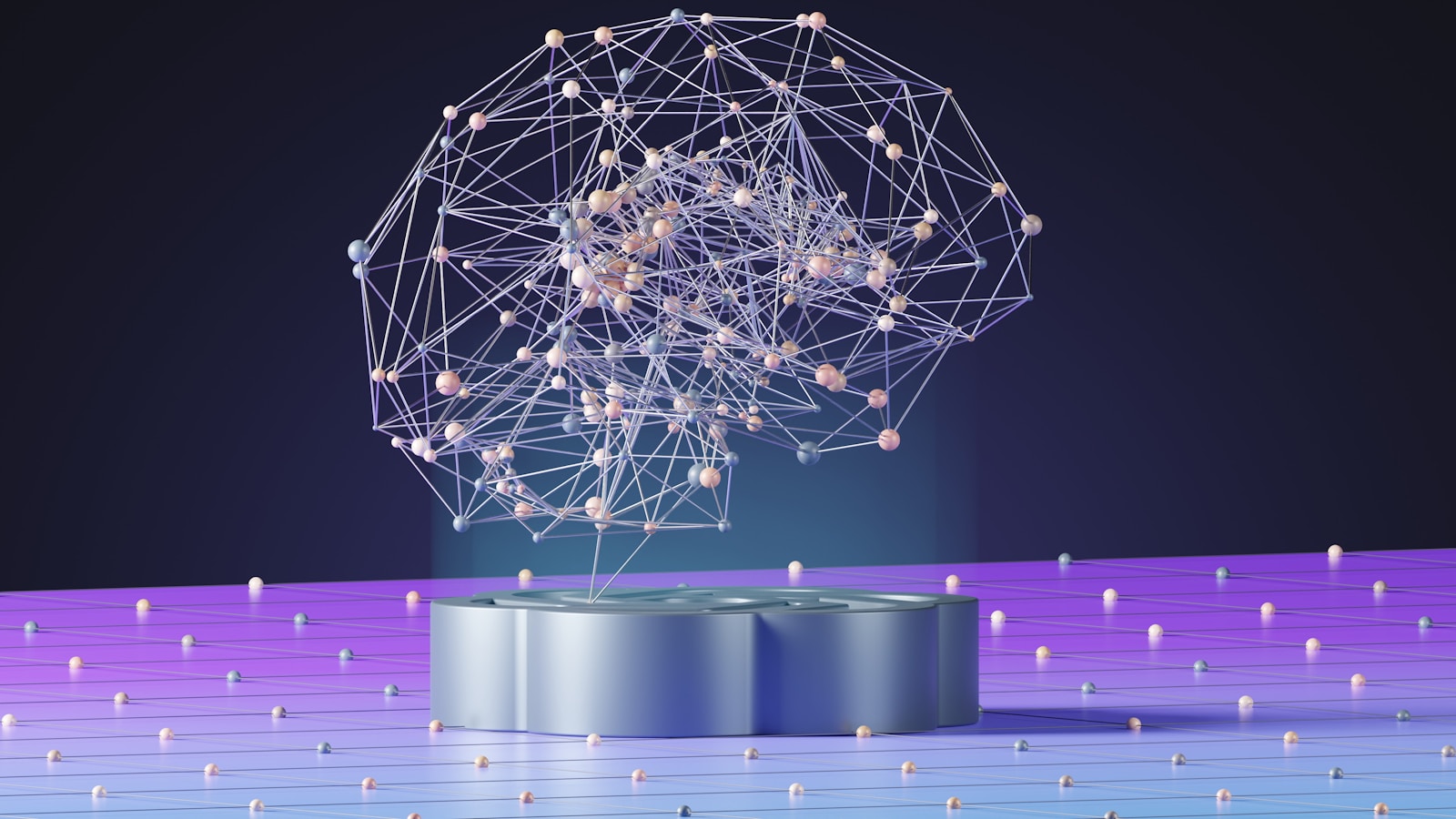
“For most of modern history, we’ve treated consciousness as the ultimate private property: a little glowing sphere of “me” sealed behind the eyes, owned and operated by a single brain. But over the last few decades, a strange convergence of neuroscience, physics, and even archaeology has started to chip away at that picture. Instead of a solitary mental island, we may be swimming in something more like an ocean of shared awareness, with ancient cultures having hinted at this possibility long before MRI scanners existed.
Today, a growing group of scientists is asking a disorienting question: what if consciousness is less something you “have” and more something you tap into? The answers are far from settled, but the debate itself is transforming how we think about minds, machines, and our place in the universe.
Consciousness May Not Belong to You – And Science Is Starting to Admit It
If consciousness is less a personal possession and more a shared or distributed process, the ethical fallout is enormous. Our legal systems, medical decisions, and social policies are built on the assumption that there is a clear, isolated “self” that owns experiences, makes choices, and carries blame.
Yet, if minds are deeply shaped by networks – social, technological, ecological – then responsibility starts to look more like a web than a single thread. That doesn’t remove accountability, but it complicates easy stories about lone individuals acting in a vacuum. It also raises uncomfortable questions about how much of what you call “you” is actually co‑created by others and by systems you never chose.”