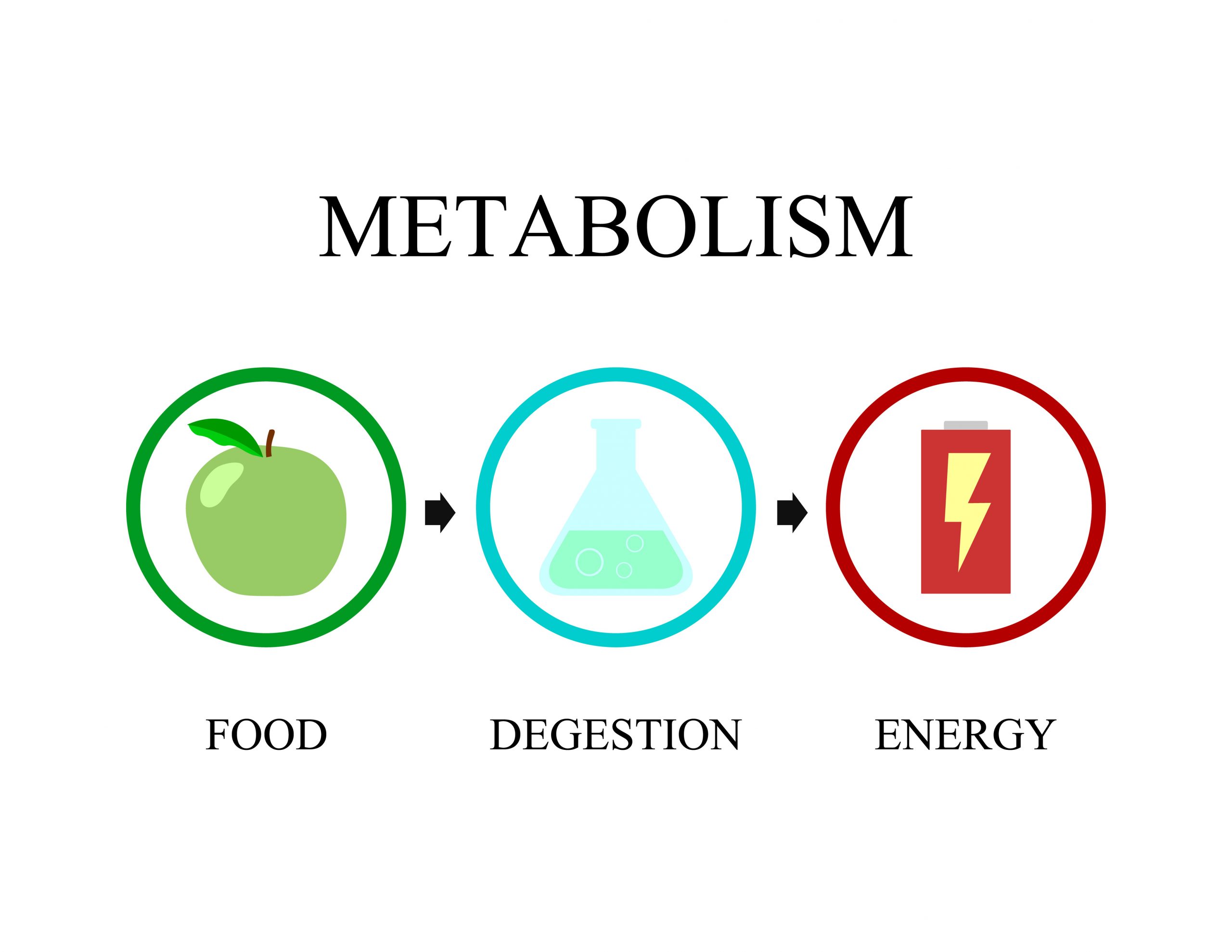
“Metabolism encompasses the entire array of chemical reactions continuously occurring within the body that sustain life and maintain normal physiological functions. These reactions involve both the breakdown of nutrients derived from food and the synthesis and repair of the body tissues [1,2]. Nutrition refers to the intake and utilization of nutrients from the diet to support life processes. Metabolism represents a complex, coordinated process that transforms these nutrients into usable substrates. Significantly, the delicate balance between nutrition and metabolism can be substantially altered by nutritional disorders ranging from undernutrition to overnutrition [3].
Within the realm of human health and disease, the interplay between nutrition, body composition, and metabolic processes is of fundamental importance. These three factors collectively shape an individual’s physiological state, affecting energy balance, weight management, and the risk of chronic diseases [4,5,6]. Nutrition, as an indispensable element for maintaining life activities, directly influences the body’s physiological functions, and the intake and utilization of nutrients are closely linked to metabolic processes. Body composition not only reflects an individual’s nutritional status but also serves as a primary site for metabolic activity, particularly muscle tissue and body fat distribution [7,8]. Their impact on energy expenditure and storage mechanisms further elucidates the complex mechanisms by which body composition regulates metabolism.
This Special Issue includes ten original research articles and one review, which collectively explore the multifaceted interactions between nutrition, body composition, and metabolism. These new findings offer diverse insights into understanding the homeostatic processes within the body.”